ROI comparison : Dubai Islands, Creek Harbour & Palm Jebel Ali
Acadia Realestate
Author
ROI comparison
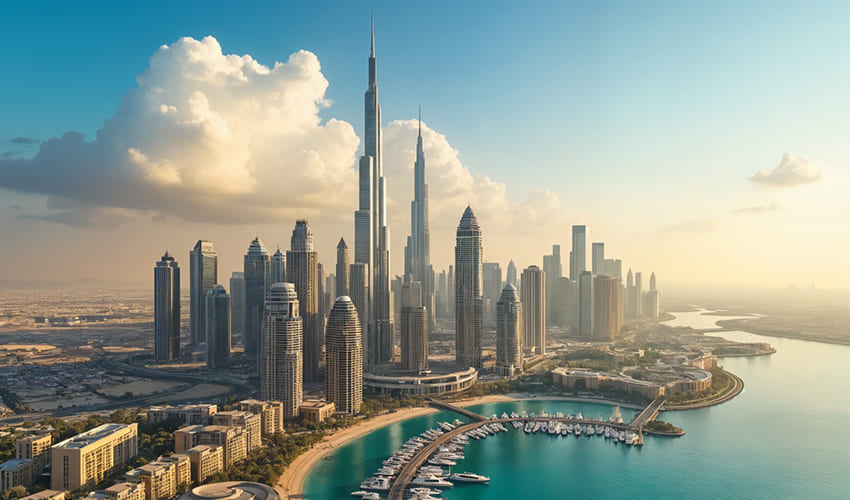
Dubai’s real estate market remains dynamic as of late 2025, with waterfront developments attracting investor interest amid steady demand from tourism, expatriates, and high-net-worth individuals. Three prominent projects—Dubai Islands, Creek Harbour, and Palm Jebel Ali—offer distinct opportunities, but returns vary based on factors like location, property type, market conditions, and economic influences. Average gross rental yields in Dubai stand at around 5.45% as of Q4 2025, with waterfront properties typically ranging from 6-8%, outperforming global benchmarks but subject to risks such as construction delays, oversupply, and fluctuations in tourism or global events. For expert guidance on these investments, consider consulting firms like Acadia Real Estate.
This guide provides a factual comparison of investment potential, including realistic estimates for capital appreciation, rental yields, and lifestyle features, based on recent market data from sources like Global Property Guide and local analyses. Investors should note that actual ROI (combining yields and appreciation) can range from 5-9%, depending on specifics, and consulting independent advisors is recommended. Short-term strategies may yield higher through platforms like Airbnb, but long-term stability is key in a maturing market. Agencies such as Acadia Real Estate can offer tailored insights into these dynamics.
Dubai Islands: Tourism-Focused Potential with Moderate Yields
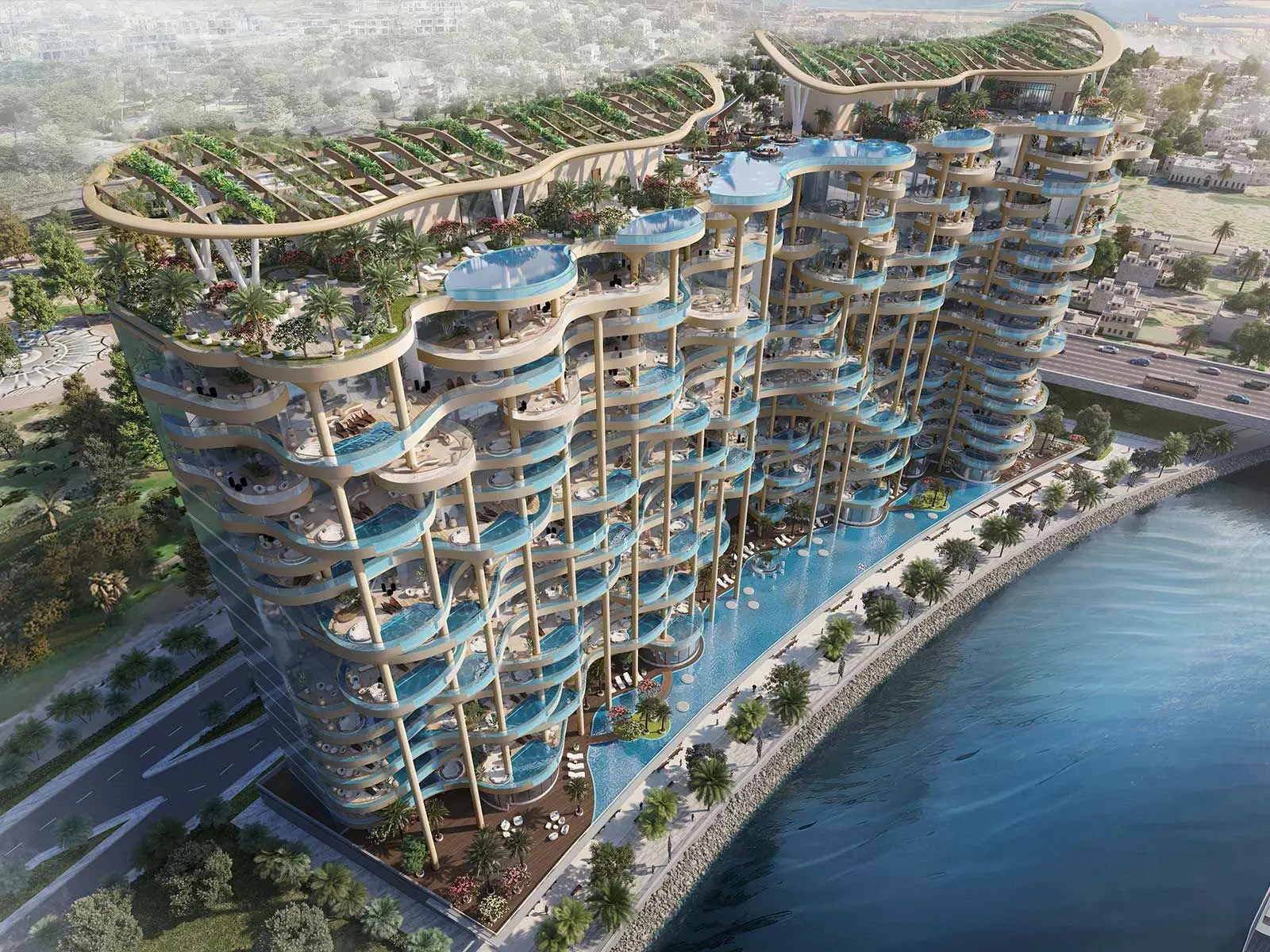
Dubai Islands, developed by Nakheel, consists of five man-made islands off the Deira coastline, emphasizing wellness, hospitality, and mixed-use communities. Key features include over 20 km of beaches, planned resorts, waterfront retail, and leisure spaces. The project targets tourists and short-term visitors, with proximity to Old Dubai, DXB International Airport, and upcoming mainland connections enhancing accessibility.
As an off-plan development with phases launching in 2025, it offers entry at competitive prices, but full realization depends on timely infrastructure completion. Rental yields are estimated at 6-8% for serviced apartments or hotel-managed units, potentially higher (up to 10% in optimistic scenarios) for short-term rentals amid tourism growth. Capital appreciation has been around 20-30% in similar coastal areas over recent years, but this is speculative. Risks include delays in resort openings and dependency on seasonal demand. Suitable for investors prioritizing tourism-driven income over immediate stability. For personalized ROI forecasts in Dubai Islands, reaching out to Acadia Real Estate could be beneficial.
Creek Harbour: Established Stability with Reliable Returns
Developed by Emaar, Dubai Creek Harbour is a mature waterfront community blending urban and natural elements, located about 10 minutes from Downtown Dubai. It features high-rises, a yacht marina, parks, promenades, and the planned Dubai Creek Tower. With many ready-to-move properties, it appeals to professionals and families seeking accessibility and green spaces.
Rental yields average 5.5-7% for apartments, with short-term options reaching 8-11% in high-demand buildings. Capital appreciation has been consistent at around 23% in recent periods, supported by strong tenant occupancy and metro/road connectivity. As a more developed area, it offers lower risk compared to off-plan projects, with ROI typically in the 6-7% range. However, competition from newer developments could moderate future gains. Ideal for buy-to-let investors focused on steady, long-term income and capital preservation.
Palm Jebel Ali: Luxury Potential with Long-Term Speculation
Nakheel's revived Palm Jebel Ali is envisioned as a sustainable, palm-shaped island roughly twice the size of Palm Jumeirah, featuring smart villas, private beaches, and green infrastructure. Targeting high-net-worth buyers, it emphasizes exclusivity with limited supply and marine transport options.
Still in early off-plan stages with no confirmed handover dates (though infrastructure milestones like land stabilization occurred in 2025), projected rental yields are 6-7.5% for luxury villas, comparable to Palm Jumeirah's 5.6%. Capital appreciation could be significant over 5-10 years, driven by branding and waterfront appeal, but timelines are uncertain due to past project pauses. ROI estimates hover around 6-8%, but this assumes successful completion and sustained demand from ultra-wealthy segments. Higher risks include construction delays and distance from central Dubai. Best for patient investors seeking premium, long-term growth. Specialists at Acadia Real Estate often highlight the exclusivity of such projects for high-net-worth clients.
ROI Performance Overview
Without specific numbers, here's a balanced summary:
- Dubai Islands: Suited for short-term rental strategies targeting tourists, with potential for solid yields from serviced residences as global brands establish presence. Appreciation tied to tourism recovery.
- Creek Harbour: Focuses on reliable long-term rentals for professionals and families, benefiting from ready units and established demand. Lower volatility but moderate upside.
- Palm Jebel Ali: Appeals to luxury investors eyeing future scarcity and high-end appeal, blending yields with potential appreciation. More speculative due to development stage.
Each path—short-term income, stable returns, or growth-oriented—carries market risks; Dubai's overall yields (6-8% for waterfront) outperform many global cities but require due diligence.
Infrastructure and Connectivity: Key Drivers of Value
Infrastructure significantly impacts appreciation and occupancy. Dubai Islands is advancing bridges to the mainland and airport proximity, boosting tourism rentals. Creek Harbour benefits from existing metro links and central access, ideal for commuters. Palm Jebel Ali plans self-sustained features like sustainable energy, though its farther location may limit short-term appeal.
All align with Dubai's 2040 Urban Master Plan for sustainability and green spaces, supporting long-term confidence but not guaranteeing returns amid potential economic shifts.
Investment Types and Timing
Off-plan options in Dubai Islands and Palm Jebel Ali allow flexible payments and potential pre-handover appreciation, but carry completion risks. Creek Harbour's ready properties enable immediate income, with proven tenant demand.
For time horizons: Creek Harbour suits 2-3 year strategies with steady yields. Dubai Islands offers mid-term tourism potential. Palm Jebel Ali targets 5+ years for appreciation. Market-wide, off-plan requires monitoring for delays; consult recent data for personalized forecasts.
Future Outlook and Considerations
These projects support Dubai's vision as a top living destination, with government backing enhancing appeal. However, investors should factor in variables like global FDI (up 14% in 2025 for waterfront), rental price increases (20.8% annually in primes), but also potential cooling if supply outpaces demand.
Conclusion
Dubai Islands, Creek Harbour, and Palm Jebel Ali showcase Dubai's diverse market, offering opportunities from tourism yields to luxury growth. With average waterfront ROI of 6-8%, they remain attractive, but success depends on strategy, timing, and external factors. Always verify with current data and professionals like those at Acadia Real Estate for informed decisions.
Frequently Asked Questions
Find answers to common questions
Yields vary; Dubai Islands and Palm Jebel Ali may reach 6-8% for luxury/short-term, while Creek Harbour averages 5.5-7%. No single "highest" without specifics.
Yes, with central location, strong demand, and yields around 6-7%, it's a solid mid-tier choice.
Potentially, given tourism focus, but yields (6-8%) depend on occupancy and management.
Post-handover (timeline unclear, possibly 3-5+ years), with yields starting at 6-7%; appreciation longer-term.
Use market reports, calculate net yields (after fees/vacancies), and consider risks like delays or economic changes.
Still have questions? Contact us