Newly Developing Areas in Dubai
Acadia Realestate
Author
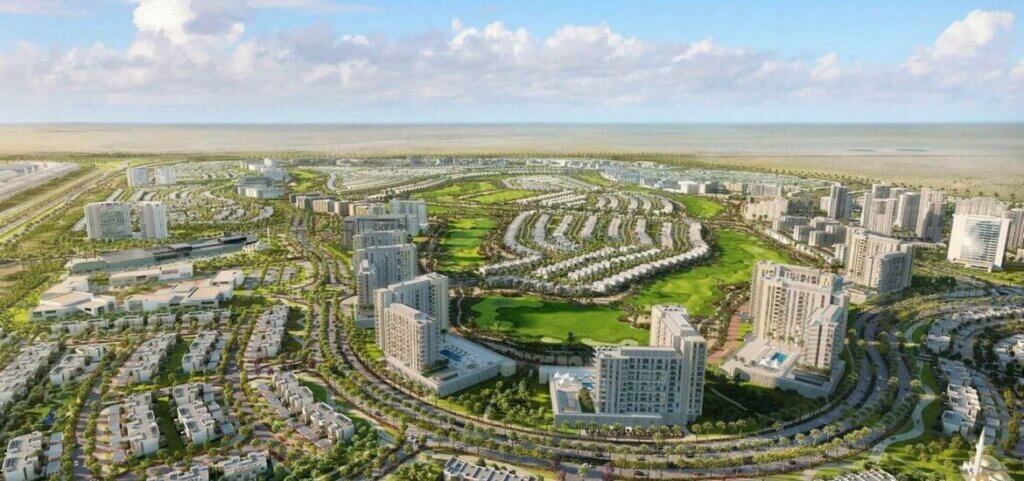
Newly Developing Areas in Dubai
Dubai's real estate market continues to evolve rapidly, with emerging communities offering attractive opportunities for investors and residents seeking long-term value. Supported by visionary master plans, these areas feature competitive pricing, modern amenities, and strong growth prospects compared to more established districts.
This guide examines Dubai's most promising emerging developments as of late 2025, drawing on recent market insights. It highlights their advantages over mature markets while providing a balanced view, including risks such as project delays or economic fluctuations.
Why Emerging Developments Are Attracting Investor Attention
These communities benefit from strategic urban planning, strong governmental backing, and growing demand driven by population and economic expansion. While established areas have stabilized in pricing, emerging zones offer lower entry points and potential for appreciation as infrastructure and amenities mature.
Key advantages include:
- Lower initial prices compared to prime locations
- Potential for capital appreciation
- Modern, sustainable designs with smart and eco-friendly features
- Improving rental yields as communities develop
- Alignment with Dubai's population growth and diversified economy
The Dubai 2040 Urban Master Plan prioritizes connected, sustainable communities, positioning these areas as future hubs for residential and commercial activity. Investors should remain mindful of risks, including construction timelines and broader market dynamics.
Top Emerging Developments in Dubai
Palm Jebel Ali
This ambitious waterfront project aims to redefine luxury island living with high-end villas, beachfront residences, and leisure facilities.
Key features:
- Ultra-premium positioning
- Expansive low-density layouts and extensive shoreline
- Long-term appreciation potential
- Appeal to international high-net-worth buyers
Suited for long-term luxury investors. Construction is progressing steadily, with infrastructure advancements and initial villa handovers anticipated from late 2026 onward. Entry prices for villas start from approximately AED 18 million.
Dubai South
Anchored by Al Maktoum International Airport, this area is developing into a major center for residential, logistics, and commercial activity.
Key features:
- Affordable entry points (starting from AED 800,000)
- Strong rental demand from professionals in aviation and business sectors
- Rapid infrastructure development
- Job creation through economic zones
Ideal for yield-focused investors. Proximity to Expo-related sites enhances connectivity, with yields typically ranging from 7–9%.
Expo City Dubai
Building on the Expo 2020 legacy, this sustainable hub emphasizes innovation, green technology, and mixed-use living.
Key features:
- Eco-conscious and smart design
- Integrated residential, office, and retail spaces
- Attraction for forward-thinking residents
- Strong governmental support
Ongoing developments, including residential launches, highlight continued momentum. Yields generally range from 6–8%, supported by its focus on sustainability.
Dubai Islands
This waterfront archipelago integrates residential, tourism, and leisure across 17 square kilometers.
Key features:
- Dynamic coastal lifestyle
- Rental potential tied to tourism
- Mid-to-premium pricing (from AED 2 million)
- Extensive beachfront (20 km)
Recorded AED 6.1 billion in sales during H1 2025. Offers balanced investment appeal, though subject to fluctuations in global travel trends.
Tilal Al Ghaf
A resort-style, family-oriented community centered on lagoons, parks, and green spaces.
Key features:
- Lagoon-centric amenities
- High appeal to families and end-users
- Emphasis on villas and townhouses
- Consistent appreciation
Spanning 3 million square meters, it advances steadily with yields around 5–7%. Ideal for lifestyle-oriented buyers seeking stability.
Advantages of Emerging Areas Over Established Ones
Prime districts like Downtown Dubai and Dubai Marina typically trade at AED 2,500–4,000+ per square foot, with annual growth of 5–7%. Emerging developments offer potential for 8–12% appreciation as infrastructure, amenities, and population density increase.
Off-plan acquisitions can enhance returns, though investors should account for risks such as increased supply or rental market adjustments.
Rental Yield Outlook in Emerging Developments
Yields often start at 5–7% and may rise to 7–10% upon maturity, driven by employment hubs, improved connectivity, and expanding tenant demand. Citywide gross yields averaged approximately 6.3–6.8% in 2025, with emerging hotspots performing strongly. Combining appreciation and income can optimize portfolios, but consider factors like vacancy and maintenance.
Suitable Investor Profiles for Emerging Areas
These developments align well with:
- Long-term holders
- Off-plan buyers
- Portfolio diversifiers
- Buyers seeking modern amenities
- Those prioritizing value over immediate prestige
They support Dubai's 2030–2040 visions. Always evaluate individual risk tolerance and seek professional advice.
Partnering with Acadia Real Estate
Acadia Real Estate specializes in identifying high-potential emerging developments. Our experts provide guidance on:
- Infrastructure timelines
- Reputable developers
- Market trends
- Projected returns
Access tailored strategies and priority opportunities to meet your investment goals.
Conclusion: The Future of Dubai Real Estate in Emerging Communities
Emerging developments represent Dubai's evolving landscape, combining accessibility, innovation, and growth potential for sustainable value and enhanced living. While risks remain, their alignment with the city's strategic vision presents compelling prospects.
For expert guidance on entering these markets, contact Acadia Real Estate to explore timely opportunities.
Frequently Asked Questions
Find answers to common questions
Yes, particularly within master-planned frameworks, though timelines and external factors should be monitored.
Early participation often supports 8–12% appreciation potential, though results vary.
Increasingly so, as employment and connectivity grow—yields tend to strengthen over time.
Yes, in designated freehold zones.
Still have questions? Contact us