Freehold Property Dubai, UAE: A Complete Guide for Buyers and Investors
Acadia Realestate
Author
Freehold Property in Dubai
Dubai’s real estate market continues to be one of the most dynamic and attractive investment destinations in the world. At the heart of this appeal lies the concept of Freehold property in Dubai, UAE — a transformative policy that allows foreign nationals to own real estate with complete ownership rights in designated areas. Whether you are looking to buy freehold property in Dubai for personal use or as an investment, this guide covers everything you need to know — from legal frameworks to the best freehold areas in Dubai and benefits for long-term investment.
Understanding Freehold Property in Dubai, UAE
A freehold property refers to real estate that you own outright — including the building and the land it stands on. In Dubai, freehold ownership grants full control over the property with the legal right to sell, lease, or inherit it. This model is especially appealing to foreign investors and expatriates, as it provides a secure and flexible asset class in a tax-friendly jurisdiction.
Legal Foundation of Freehold Ownership
The Freehold Decree (2002) was a game-changer for the UAE property sector. It granted expatriates the right to purchase, own, and sell property on a freehold basis in certain designated zones. Ownership is registered under the buyer's name at the Dubai Land Department (DLD), and a title deed is issued—just like it is for UAE nationals.
Why Invest in Freehold Property in Dubai?
1. Long-Term Ownership Security
Freehold property provides lifetime ownership that can be inherited or passed on to heirs. This sense of security enhances long-term planning for both families and investors.
2. High Capital Appreciation
Certain Dubai freehold property investments have delivered remarkable returns due to infrastructure growth, tourism development, and sustained international interest.
3. Investor-Friendly Regulations
Dubai maintains a transparent legal and regulatory framework. Initiatives like RERA (Real Estate Regulatory Agency) ensure buyer protection and enforce ethical practices in the property sector.
4. High Rental Yields
Dubai consistently ranks among the world’s top cities for rental returns, with gross rental yields ranging from 6% to 10% in prime areas.
Best Freehold Areas in Dubai
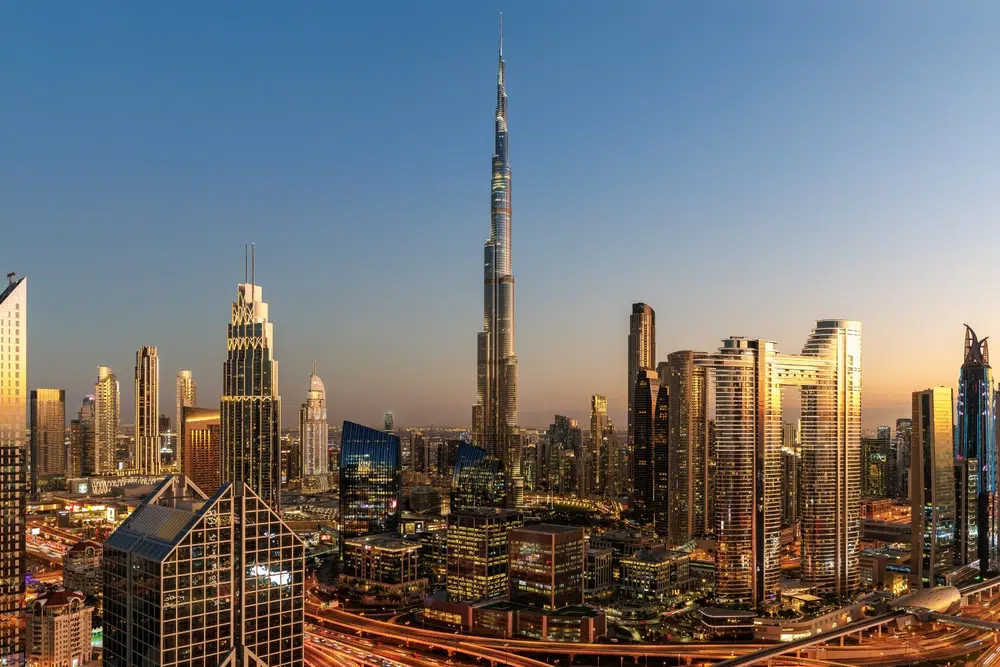
1. Downtown Dubai
- The flagship community developed by Emaar.
- Offers luxury apartments, branded residences, and iconic landmarks like Burj Khalifa and Dubai Mall.
2. Dubai Marina
- A vibrant waterfront lifestyle destination.
- Popular among professionals and investors for its high rental returns and walkability.
3. Palm Jumeirah
- Dubai’s man-made island featuring luxurious villas, townhouses, and high-end apartments.
- Ideal for ultra-high-net-worth individuals seeking waterfront living.
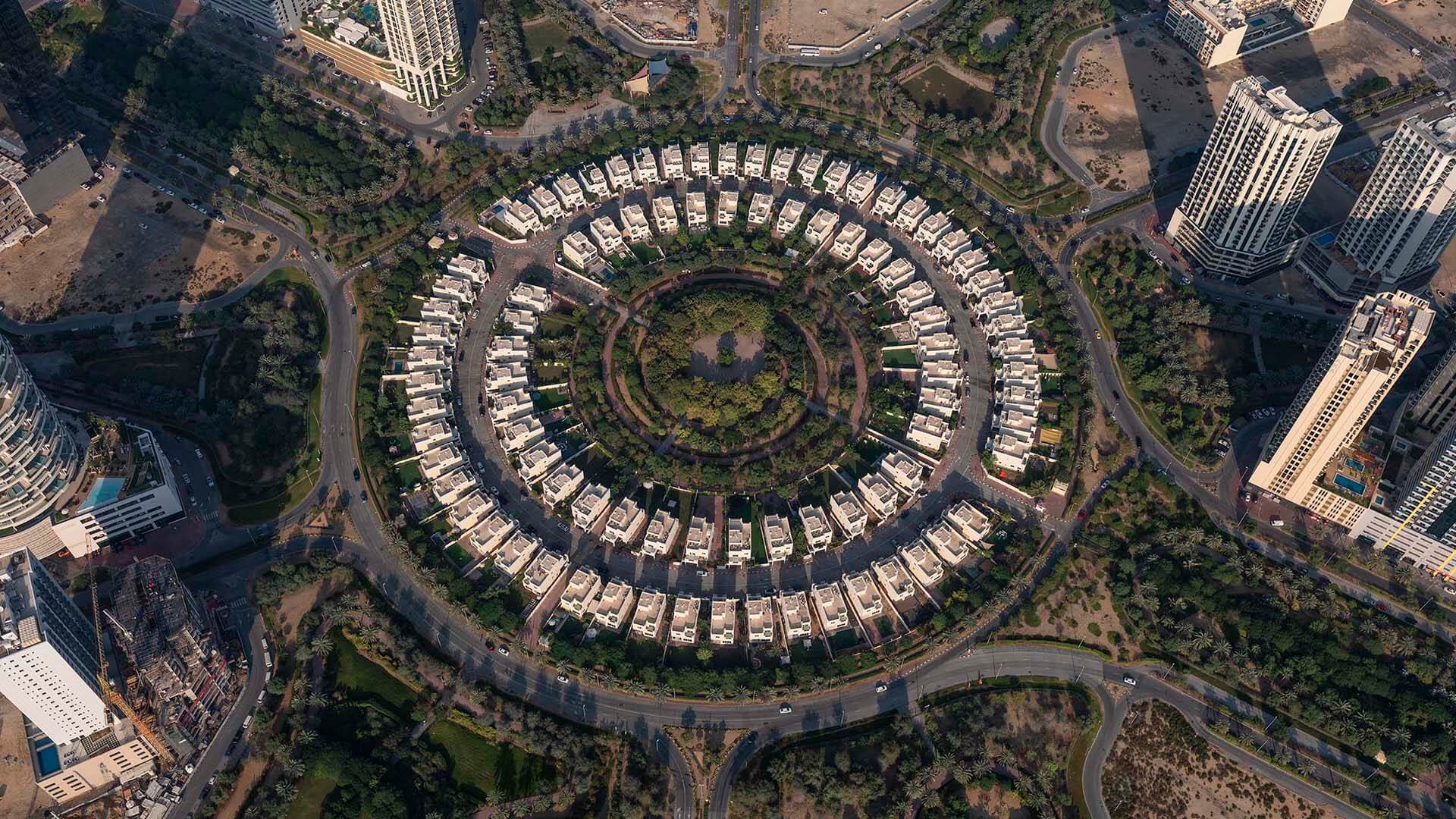
4. Jumeirah Village Circle (JVC)
- Known for affordable luxury and family-friendly communities.
- Emerging as a top choice for mid-range buyers and those looking to buy freehold property in Dubai with excellent ROI.
5. Business Bay
- A commercial and residential hub close to Downtown Dubai.
- Offers a mix of modern apartments and office spaces, with strong demand from tenants and entrepreneurs.
6. Dubai Hills Estate
- Developed by Emaar and Meraas, this master-planned community offers green spaces, luxury villas, and top-tier schools.
- Great for families and long-term investment.
7. Arabian Ranches
- A suburban gated villa community with schools, parks, and retail centers.
- Popular with families seeking privacy and spacious living.
How to Buy Freehold Property in Dubai, UAE
Step-by-Step Process:
- Select a Freehold Area
Choose from established or emerging communities based on your goals (residence vs. investment).
- Hire a Registered Broker
Work with a DLD-licensed real estate agent who can guide you through options and documentation.
- Sign a Sales Agreement (MOU)
Once the property is selected, sign a Memorandum of Understanding with the seller.
- Pay Deposit
Typically 10% of the property value, held in escrow.
- Apply for a No Objection Certificate (NOC)
Issued by the developer to proceed with property transfer.
- Transfer Ownership at DLD
Pay the transfer fee (usually 4% of property value), and get your title deed issued.
Key Considerations for Freehold Property Buyers
Title Deed Registration
Always ensure the property is registered under your name at the Dubai Land Department to avoid legal or resale issues.
Service Charges
Freehold properties come with annual service charges for maintenance and common area management—know the rates in your chosen community.
ROI Analysis
Before investing, analyze rental yields and appreciation trends. Use tools or work with real estate consultants who specialize in Dubai freehold property investment.
Financing Options
UAE banks offer mortgages to expats and non-residents for freehold purchases, usually up to 75%-80% loan-to-value ratios.
Top Benefits of Freehold Property Ownership
- Full control over the asset
- Inheritance rights under UAE law
- Eligibility for renewable residence visas (for investments above AED 750,000)
- High liquidity in the resale market
- Capital gains potential in booming areas
Emerging Trends in Freehold Property
- Green & Sustainable Communities: Developers are integrating eco-conscious elements to attract a new generation of buyers.
- Branded Residences: Projects by names like Armani, Bulgari, and Dorchester are gaining traction.
- Tech-Integrated Homes: Smart systems, energy-efficient designs, and automation are becoming standard in new freehold offerings.
- Flexible Payment Plans: Especially in off-plan freehold projects, offering post-handover payment options.
Freehold vs Leasehold in Dubai: A Quick Comparison
|
Feature |
Freehold |
Leasehold |
|
Ownership |
Full ownership of land and property |
Right to use property for 10–99 years |
|
Resale Rights |
Unrestricted |
Restricted based on lease conditions |
|
Inheritance |
Permitted |
Typically subject to lease terms |
|
Popularity with Expats |
Very high |
Moderate |
|
Locations |
Designated zones |
Mostly outside core investment zones |
Smart Tips for Freehold Buyers
- Buy from reputable developers with a proven track record.
- Check future infrastructure plans in the area (metro lines, malls, schools).
- Understand your financial goals — Are you seeking rental income, long-term living, or resale profit?
- Use property management services if you live abroad but want to rent out your Dubai unit.
Common Mistakes to Avoid
- Not registering the title deed
- Overlooking service charges and maintenance fees
- Not researching the developer or project status
- Ignoring legal review of the contract
- Underestimating the total purchase cost (DLD fees, agent commissions, etc.)
The Future of Dubai Freehold Property Investment
The freehold market in Dubai is expected to grow further due to:
- Upcoming mega-developments like The World Islands, Dubai South, and Palm Jebel Ali.
- Increasing demand from remote workers and digital nomads.
- Global investors seeking tax-free capital gain environments.
- The introduction of Golden Visas linked to property ownership.
With Dubai’s pro-investor environment, ambitious urban planning, and rising global status, buying freehold property in Dubai offers a rare blend of security, profitability, and lifestyle enhancement.
Frequently Asked Questions (FAQ)
Q1. Can foreigners buy freehold property in Dubai?
Yes, non-UAE nationals can buy freehold property in designated areas with full ownership rights.
Q2. What are the best freehold areas in Dubai for investment?
Top areas include Downtown Dubai, Dubai Marina, JVC, Business Bay, and Dubai Hills Estate.
Q3. Is freehold better than leasehold in Dubai?
For long-term ownership and resale flexibility, freehold is generally preferred by investors and residents alike.
Q4. Are freehold properties eligible for residence visas?
Yes, investors who own property worth AED 750,000 or more may apply for renewable residency visas.
Q5. Can I mortgage a freehold property as an expat?
Yes, many UAE banks offer mortgage solutions to expats for purchasing freehold properties.
Q6. What taxes apply on freehold properties in Dubai?
Dubai does not levy property taxes, but there is a one-time 4% transfer fee payable to DLD.
Q7. Can I rent out my freehold property?
Yes, you can rent out your freehold property for long-term or short-term purposes depending on the location’s regulations.
Q8. How can I sell my freehold property in Dubai?
You can sell it through a registered real estate broker or directly, with ownership transferred via DLD.
Conclusion
Freehold property Dubai, UAE is not just a real estate opportunity — it’s a gateway to full ownership in one of the world’s most desirable cities. Whether you’re a resident looking for a forever home or an investor chasing high yields, Dubai’s freehold zones offer unmatched value. From Dubai freehold property investment strategies to choosing the best freehold areas in Dubai, now is the ideal time to enter the market and secure your piece of this dynamic emirate.